service

Gwangju Biennale | Gwangju


Information

Landmark: Gwangju Biennale
City: Gwangju
Country: South Korea
Continent: Asia

Gwangju Biennale, Gwangju, South Korea, Asia

Overview

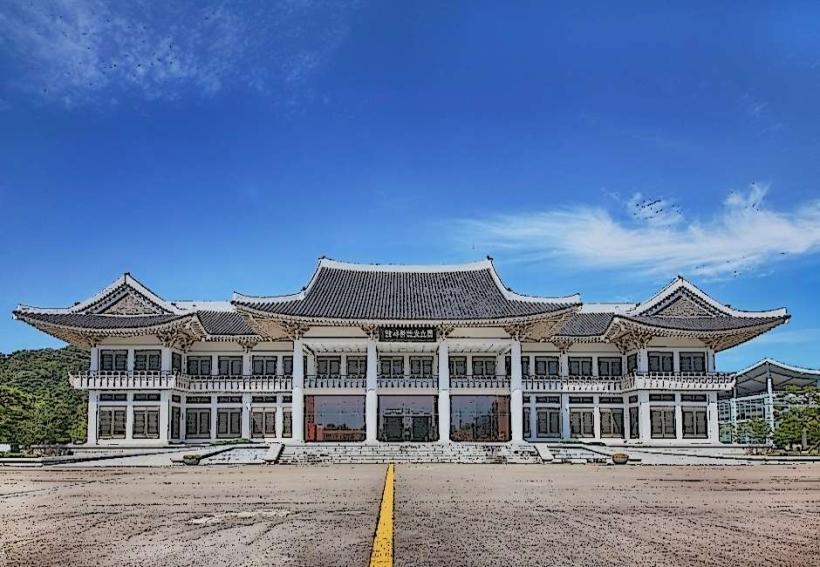
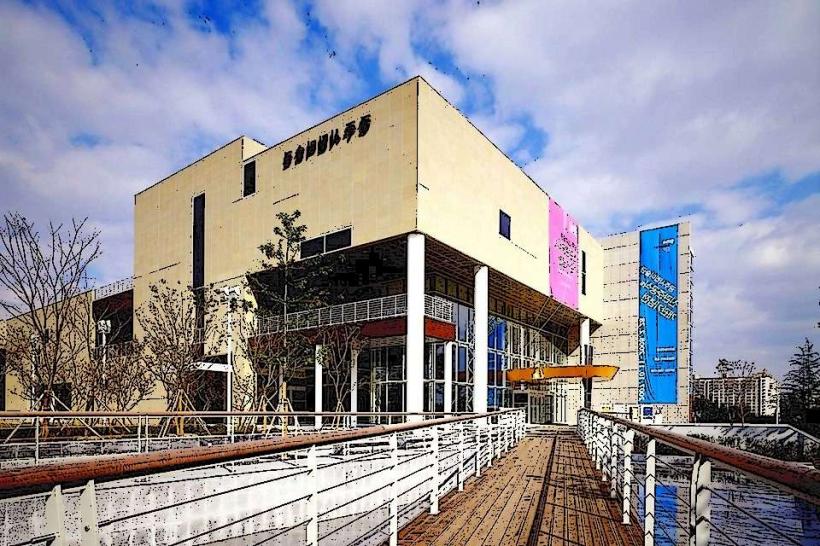
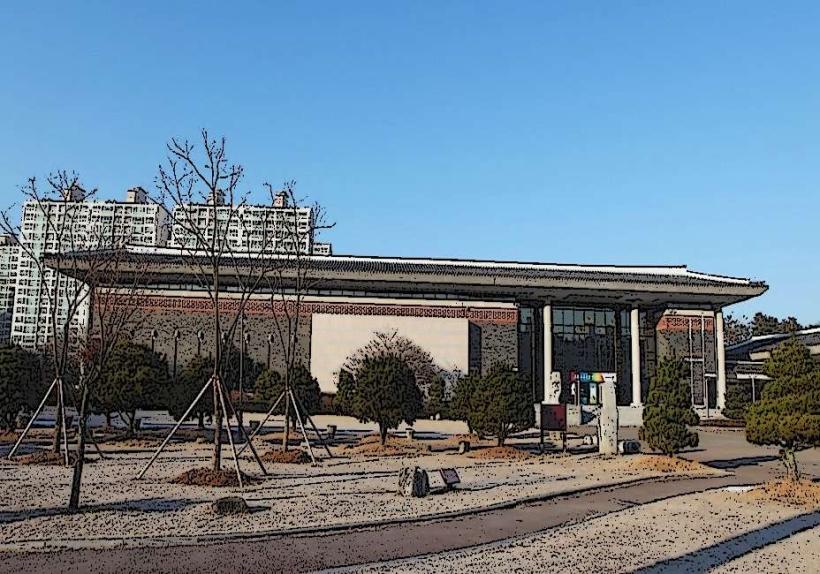
The Gwangju Biennale (광주비엔날레) ranks among South Korea’s most prestigious and influential contemporary art gatherings, drawing global attention and shaping the international art scene, moreover every two years, Gwangju-a vibrant city in South Korea’s southwest-hosts a biennale that showcases bold, boundary-pushing art in every form, from towering sculptures and immersive installations to live performances and flickering video pieces.The Gwangju Biennale began in 1995, marking Korea’s very first contemporary art biennale, with its opening banners rippling in the autumn breeze, moreover its creation marked a turning point, putting Gwangju on the map as a lively cultural hub and a top spot for contemporary art in Asia, where visitors might pause to admire a bold splash of color on a gallery wall.To be honest, Over the years, the biennale has expanded, drawing in painters from Berlin, curators from Tokyo, and art professionals from all over the world, therefore it shows Gwangju’s dedication to nurturing creativity and preserving its distinct culture, shaped in part by the city’s historic role in South Korea’s fight for democracy, when crowds once filled the streets demanding freedom.Each Gwangju Biennale centers on a single theme, tackling urgent global issues-from politics and social justice to cultural identity and the environment-like a vivid mural that pulls your gaze to what matters now, what’s more the theme guides which artists are invited and what pieces end up on display, from bold street murals to delicate ink sketches, not entirely In the past, themes have ranged from “The One and the Many” (2016) to “Imagined Borders” (2018), delving into ideas of division, conflict, and solidarity, and often tracing back to Gwangju’s fight for democracy during the May 18 Uprising, when crowds filled the streets with chants and banners, simultaneously artistic Diversity: The Gwangju Biennale draws praise for the wide range of voices it presents, from street muralists with paint-splattered boots to filmmakers experimenting with shadow and light.The exhibition brings together paintings, live performances, bold architecture, inventive design, and film, weaving them into a rich, multi‑disciplinary experience, as a result artists from across the globe take part, bringing with them a kaleidoscope of cultures-from the spice markets of Marrakech to the snowy streets of Helsinki.Its global reach sparks cross-cultural conversations and invites viewers to step into other worlds-hearing a street musician in Havana, for instance-while exploring fresh perspectives on today’s issues, what’s more venues: The biennale usually takes venue in the Gwangju Biennale Exhibition Hall and the Gwangju Museum of Art, where vivid banners often line the entrance.You might also find events in art spaces scattered across the city, or in unexpected spots-an abandoned warehouse with peeling paint, an open field under string lights-each adding its own energy to the experience, in addition the Gwangju Biennale spills into parks, streets, and open squares, inviting both locals and visitors to stumble upon art where they least expect it.Impact and Importance: The Gwangju Biennale ranks among the world’s most significant art biennales, standing shoulder to shoulder with renowned events like Venice’s grand pavilions and Istanbul’s bustling waterfront exhibitions, in addition it’s become a go‑to stage for artists to share bold, original work-think vivid murals or experimental films-while giving them worldwide exposure and sparking meaningful dialogue across the global art scene.The event has put Gwangju on the map as a global hub for contemporary art, while giving the city’s cultural scene-and its economy-a noticeable lift, from buzzing galleries to packed café patios, then visitors flock here from every corner of the globe, and its impact on South Korea’s art market and cultural scene runs deep, shaping everything from gallery walls to the buzz of street performances, to some extent Oddly enough, Alongside its exhibitions, the Gwangju Biennale hosts an array of educational programs, from lively talks and hands-on workshops to performances that draw the crowd in close, on top of that these programs bring artists, curators, and the public together, sparking real conversations-sometimes over a sketchbook or a freshly hung canvas.The biennale works closely with local communities, offering school visits, neighborhood outreach, and hands-on art projects so contemporary art feels open to everyone-even the kid sketching in the back row, therefore the Gwangju Biennale Foundation also runs research projects and publishes work, adding fresh voices to the academic conversation on contemporary art-like a recent study tracing the scent of paint through a city’s studios.Truthfully, Awards: The Gwangju Biennale often hands out its biennale award and honors standout artists with various prizes, sometimes for works as striking as a canvas splashed in deep crimson, consequently it gives the event a sharp competitive edge and shines a spotlight on standout works that shape today’s art scene, like a sculpture that catches the light just right.The award backs emerging artists, sparks fresh ideas in the arts, and leaves a lasting mark on the biennale-like a dazzling brushstroke that lingers long after the show ends, not only that the biennale unfolds in Gwangju, a city remembered for the roar of its streets during South Korea’s fight for democracy.On May 18, 1980, the people of Gwangju filled the streets to protest the military dictatorship, a pivotal uprising that still echoes through the biennale’s themes and exhibitions, equally important the Gwangju Biennale has grown into a stage for bold art that speaks to social justice, human rights, and freedom-echoing the city’s deep roots in democracy and its enduring mark on the world’s story.The Gwangju Biennale runs for about two months, from the crisp days of September to the cool evenings of November, drawing visitors from around the world to wander its exhibits and lively programs, then planning a visit?Just so you know, Check the official Gwangju Biennale website first-you’ll find the latest on the schedule, upcoming themes, and programs, right down to the special exhibits they’re staging, not only that you can reach Gwangju quickly by train, bus, or plane, and once you’re there, you’ll find everything from sleek hotels to cozy guesthouses, making it an easy choice for travelers from abroad or just down the road.In short, the Gwangju Biennale is a must for anyone drawn to contemporary art, rich cultural exchange, and urgent social questions, from bold murals splashed with color to installations that spark conversation, and with its worldwide reach and bold approach to recent art practices, it’s become a fixture on the art world’s calendar, the kind people mark in ink months ahead.The biennale has made its mark as a major cultural event, not only in South Korea but around the world, by celebrating diverse artistic voices, sparking conversations across cultures, and shining a spotlight on pressing global themes-like the vivid murals that spilled across city walls last year, not only that visitors from every wander of life find it inspiring-something that sparks fresh ideas, like catching the scent of rain before a summer storm.
Author: Tourist Landmarks
Date: 2025-09-16


Location

Get Directions


Rate it

You can rate it if you like it


Share it

You can share it with your friends


Contact us

Inform us about text editing, incorrect photo or anything else

Contact us

Landmarks in Gwangju

May 18th National Cemetery
Landmark

May 18th National Cemetery

Gwangju | South Korea
Gwangju National Museum
Landmark

Gwangju National Museum

Gwangju | South Korea
Gwangju Art Museum
Landmark

Gwangju Art Museum

Gwangju | South Korea
Mudeungsan Mountain
Landmark

Mudeungsan Mountain

Gwangju | South Korea
Gwangju Folk Museum
Landmark

Gwangju Folk Museum

Gwangju | South Korea
Gwangju Kimchi Town
Landmark

Gwangju Kimchi Town

Gwangju | South Korea
Unjusa Temple
Landmark

Unjusa Temple

Gwangju | South Korea
National Asian Culture Complex
Landmark

National Asian Culture Complex

Gwangju | South Korea
Gwangju World Cup Stadium
Landmark

Gwangju World Cup Stadium

Gwangju | South Korea
Gwangju Park
Landmark

Gwangju Park

Gwangju | South Korea
Chosun University Museum
Landmark

Chosun University Museum

Gwangju | South Korea
Kim Dae-Jung Convention Center
Landmark

Kim Dae-Jung Convention Center

Gwangju | South Korea
Gwangju Science Park
Landmark

Gwangju Science Park

Gwangju | South Korea
Mudeungsan National Park
Landmark

Mudeungsan National Park

Gwangju | South Korea
Daein Market
Landmark

Daein Market

Gwangju | South Korea
Mudeungsan Observatory
Landmark

Mudeungsan Observatory

Gwangju | South Korea


Latest Landmarks

Bordeira Crater

Sao Filipe | Cabo Verde

Baía das Gatas

Mindelo | Cabo Verde

Ponta do Sol Old Port

Ponta do Sol | Cabo Verde

Serra Negra Zipline

Santa Maria | Cabo Verde

Tourist Landmarks ® All rights reserved